


9 Advantages of Choosing a Local Cincinnati Home Builder

Kevin Clark
• 10 min read
When you first start looking at new construction in Cincinnati, you may wonder: what are the advantages of building with a smaller local home builder in Cincinnati versus one of the national production builders? The promise of a personalized home sounds exciting, until you walk into a national builder’s design center and discover that “personalization” means choosing between Package A, Package B, or Package C for your countertops. The floor plan stays the same. The lot stays the same. The process stays the same, and so does the feeling that you’re just another transaction in a long production line.
That experience raises a fair question: does building with a smaller, locally rooted builder actually make a difference, or is “local” just a marketing word that allows someone to charge more? The honest answer is that it depends on the builder. But when the right combination of local knowledge, direct communication, and community accountability is in place, the difference shows up in ways you can actually measure, in your timeline, your final price, and the service you receive after closing day.
At John Henry Homes, we’ve been building across Greater Cincinnati and Northern Kentucky since 2007. We’re not the largest builder in the region, and that’s a deliberate choice. Over the years, we’ve seen exactly where the local-builder advantage shows up. Here are nine of those advantages worth understanding before you choose who builds your home.
You get real customization, not a preset menu
1. Floor plans built around your life, not a catalog
Local builders can genuinely adapt floor plans to fit your lot, your family’s routines, and your lifestyle priorities. National production builders typically offer a set catalog of plans with limited structural changes permitted, while local and mid-sized builders have more room to adjust room sizes, ceiling heights, window placements, and layout configurations. In the Cincinnati market, that flexibility carries real weight. Hillside lots, mature tree lines, and variable soil conditions across Hamilton, Butler, and Warren counties often require site-specific design decisions that a standardized plan simply cannot accommodate without expensive workarounds.
2. Faster decisions without the corporate chain
With a local builder, you’re far more likely to speak directly with the owner, project manager, or lead builder when a question or problem surfaces. That single layer of communication shortens the time it takes to approve a change order, swap a material, or resolve a concern mid-build. National builders often route those decisions through regional design centers and corporate approval systems, adding weeks and cost to what should be a straightforward conversation. When you’re managing a construction timeline, that difference compounds quickly.
3. Design adapted to your specific lot’s challenges
A local builder who knows Cincinnati’s terrain brings that knowledge into your design from day one rather than discovering problems once ground is broken. Hillside sites in particular require early decisions about retaining walls, drainage paths, foundation types, and grading. A builder who has navigated those challenges repeatedly will catch problems before they become expensive surprises. That practical, site-specific design thinking is one of the clearest advantages of working with someone who builds in the same neighborhoods where they live and work.
Cincinnati expertise that no national chain can replicate
4. Navigating Cincinnati’s permitting and zoning process
Cincinnati’s permitting process involves more moving parts than most buyers expect. Jurisdiction verification, overlay district checks (historic, hillside, urban design), and coordinated reviews with Greater Cincinnati Water Works, the Metropolitan Sewer District, and the Department of Transportation and Engineering each have to line up correctly before a project moves forward. Add fire-access requirements on top of that, and a local builder who has navigated this process dozens of times moves through it without costly missteps. The city’s published target for residential plan reviews is 10 working days, but that clock doesn’t start until every required document is submitted in order. Experienced local builders know what a complete submission looks like, and that knowledge alone can shave weeks off your project timeline.
What are the advantages of building with a smaller local home builder in Cincinnati?
5. Subcontractor relationships built over years, not assembled per project
One of the clearest benefits of local home builders is the depth of their trade relationships. A local builder’s electricians, plumbers, framers, and concrete crews have typically worked together across dozens of projects in the same region. That familiarity produces tighter scheduling, clearer accountability when something needs fixing, and a consistency in finished quality that comes from crews who understand the builder’s standards firsthand. National production builders frequently rotate subcontractors based on the lowest regional bid, which introduces variability into the work and creates gaps in accountability when issues surface months after closing.
6. The sticker price trap with production builders
Large national builders advertise competitive base prices, and those numbers are real. What’s less visible is how much gets added before closing day. Structural options, design-center upgrades, lot premiums, and site-preparation costs routinely add tens of thousands of dollars to a price that looked clean on the website, a pattern well documented in buyer experience surveys and industry reporting on production builder pricing. Local mid-sized builders more often provide detailed inclusions schedules upfront, so the base price reflects a more complete picture of what you’re actually getting for your investment rather than a floor designed to grow.
7. How to compare bids fairly
The most useful comparison between any two builders is not the advertised price per square foot. Request an all-in estimate from each builder covering the base home, lot premium, structural options, design selections, permits, sitework, utilities, driveway, landscaping, and allowances. At John Henry Homes, our communities start from the mid-$300Ks (pricing current as of late 2026; contact us for lot- and plan-specific figures), and we work to make sure that number reflects a realistic total, not a starting point engineered to expand. In our experience comparing fully loaded bids side by side, a local Cincinnati custom home builder’s higher-seeming base price often ends up comparable to, or lower than, a national builder’s post-upgrade total once you’re looking at the same complete home.
Accountability doesn’t disappear after closing day
8. When the builder’s name is still in the neighborhood
A local builder’s reputation is tied directly to the community where they work. They rely on referrals from neighbors, repeat clients, and regional word-of-mouth, and that creates a fundamentally different kind of accountability than routing your warranty call through a national 1-800 number. When an issue comes up after closing, local builders often provide more personal post-closing service, picking up the phone, making a goodwill repair, and resolving the problem without a formal service ticket to get things moving. Their next sale in your neighborhood depends on how they handled your situation. That said, it’s still worth confirming warranty terms in writing with any builder, since smaller firms carry different financial risk profiles than large national companies.
9. What to know about warranties with any builder
Small local builders often negotiate warranty coverage project by project, while national builders typically use standardized packages that commonly follow an approximate 1-year workmanship, 2-year systems, and 10-year structural format. Neither approach is automatically better for the homeowner. What matters most is the written terms: coverage periods, exclusions, response time commitments, and who remains responsible after final payment. Before signing with any builder, confirm all of those details in writing and make sure you understand exactly how “structural defect” is defined in the contract, because how that term is written shapes almost everything about what you’re actually protected against over those ten years.
How to vet a local Cincinnati home builder before you commit
Good questions and a solid contract protect you regardless of builder size. The checklist below gives you a practical starting point for any conversation with a local or regional builder in the Cincinnati and NKY area.
Questions worth asking in the first conversation
- How long have you operated under your current business name, and how many comparable homes have you completed in the last two years?
- Can we tour two or three recently completed projects and speak directly with those homeowners?
- Who supervises the job site day to day, and what is the best way to reach that person during construction?
- Are all subcontractors licensed and insured, and who is responsible if their work falls short of the agreed standard?
Contract items that protect you
Require a detailed inclusions and exclusions schedule attached to the contract, not vague allowances that leave room for interpretation later. Payment milestones should tie to verified completed work, not arbitrary calendar dates, and you should retain a reasonable holdback until the punch list is resolved and all required documents are in hand. Change orders must be signed by both parties before any changed work begins, a best practice recommended by most construction attorneys and consumer protection resources. Conditional lien waivers from the builder and major subcontractors accompanying each payment are worth discussing with your builder; lien-waiver rules vary by jurisdiction in Ohio, so consult a local construction attorney to confirm how they apply to your specific project. Clear red flags include pressure to sign quickly, bids substantially below competitors with no explanation, requests for cash payments, or any hesitation to provide current licensing and insurance documentation.
The right local builder makes a measurable difference
So what are the advantages of building with a smaller local home builder in Cincinnati? The short answer: local knowledge, honest pricing, and accountability that doesn’t vanish after closing. Company size alone doesn’t guarantee any of those things. What matters is the specific mix of direct communication, site-specific expertise, and a track record you can verify by visiting finished homes and talking to real clients.
At John Henry Homes, we’ve spent nearly two decades building across Greater Cincinnati and Northern Kentucky, offering both custom-built homes and quick-delivery options for buyers who want to move on their own schedule. We’re a mid-sized builder by design: it means more personal attention, direct communication, and the kind of accountability that only comes from building in the communities where we live. If you’d like to see that difference firsthand, reach out to our team to tour a model home or explore available communities across Cincinnati and NKY.
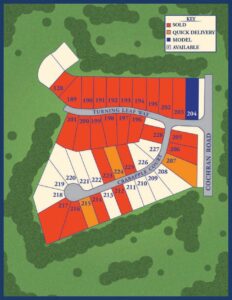
Turning Leaf: New Homes in Hamilton Township’s Little Miami School District
Josh Blatt
• 14 min read
Is a Smart Home Worth It? What Comes Standard in a New John Henry Home
Josh Blatt
• 7 min read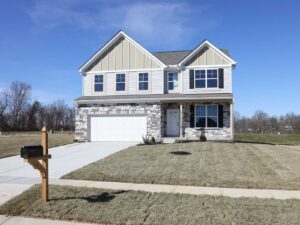
New Construction Homes in Colerain Township: A Guide to Hunters Ridge
Josh Blatt
• 4 min read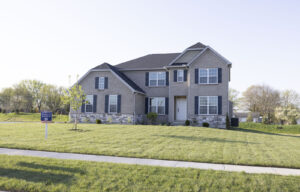
New Homes in Liberty Township: Why Families Choose Caravel and Lakota Schools
Josh Blatt
• 4 min readRelated Articles
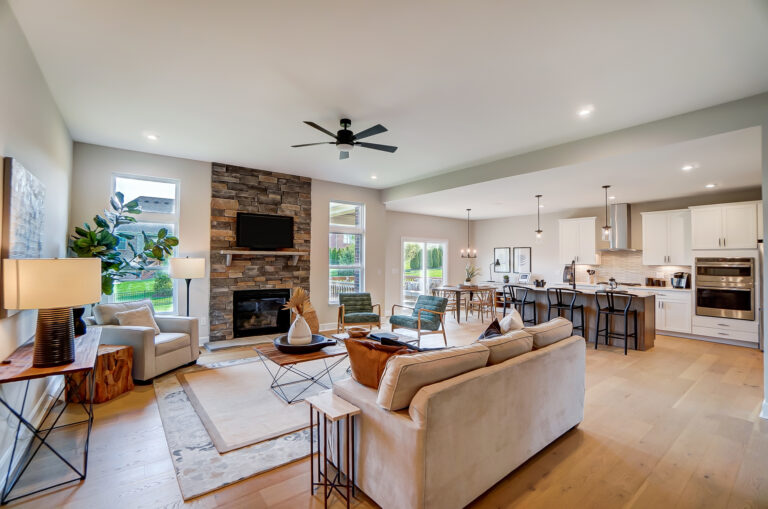
First-Time Homebuyer in Cincinnati: Grants & Next Steps

Buying a New Build Home for the First Time: Full Guide
Tour New Homes on Your Schedule: A Practical Guide
Want to know how to buy and sell a home effectively
Get exclusive access to the best homes on the market by signing up today.