


Buying a New Build Home for the First Time: Full Guide

Kevin Clark
• 14 min read
You walk into a model home and everything looks perfect. The kitchen gleams, the floors feel solid underfoot, and the sales rep is warm and helpful. Then, somewhere between the third bedroom and the covered patio, you realize they’re asking you to sign a contract you’ve never seen before on a home that doesn’t exist yet. That moment catches a lot of first-time buyers off guard.
Buying a new build home for the first time is genuinely different from purchasing an existing house, and most first-timers don’t discover how different until they’re already a few steps in. The contracts are written differently, the financing works differently, and the costs extend well beyond the price on the sign. Understanding the full picture before you commit protects you at every stage.
At John Henry Homes, we’ve walked hundreds of first-time buyers through this process across Greater Cincinnati and Northern Kentucky. Our move-in ready homes start in the mid-$300Ks, and buyers can explore communities on their own schedule using NterNow self-guided tours before ever talking to a sales rep. This guide covers everything you need to know: contracts, upgrade costs, financing options, construction timelines, inspections, and the warranty coverage that protects you after you close.
New Construction vs. Resale: Why the Process Is Completely Different
When you buy an existing home, you’re evaluating something that already exists. You can see the roof, test the faucets, and negotiate based on what’s there. With new construction, you’re often buying something that lives in a brochure for months before it becomes real. That shift in dynamic changes almost everything about the transaction.
The two main paths are spec homes and pre-construction builds. Spec homes are already under construction or complete when you arrive, which means you can tour them, know exactly what finishes you’re getting, and close faster. Pre-construction builds give you more control over floor plans and finishes, but they require patience and involve more financial unknowns before a single nail is driven. For first-time buyers who need a clear timeline, quick-delivery homes are the practical middle ground: the home is nearly finished, the finishes are set, and the closing timeline is predictable. John Henry Homes offers quick-delivery options across several communities in Greater Cincinnati and Northern Kentucky for exactly this reason.
New builds also come with meaningful advantages over resale homes. Builder warranties cover workmanship, systems, and structural components for years after closing. Every system, from HVAC to plumbing, is new, which eliminates the deferred maintenance that comes with buying someone else’s house. Buyers also get to choose finishes within the builder’s design package, which is an emotional draw that existing homes rarely offer.
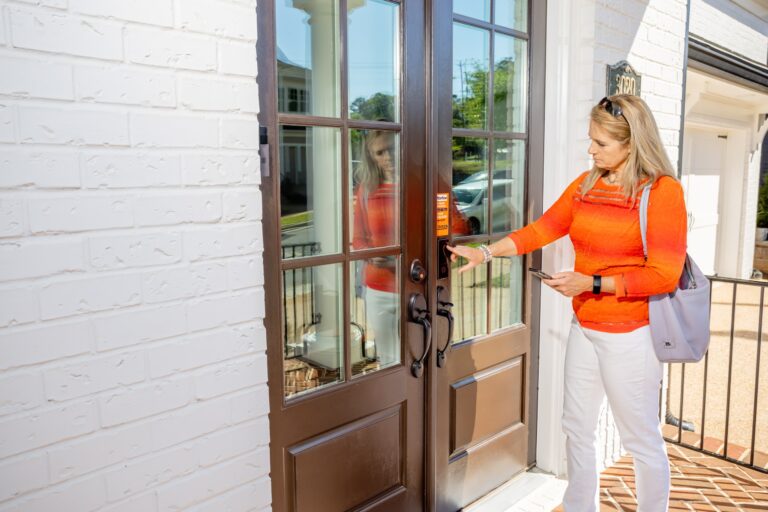
One thing worth asking any builder early: how does the tour process work? Self-guided tour technology lets buyers walk a model home on their own schedule, without feeling pressured to make decisions before they’re ready. If the experience starts on the builder’s terms rather than yours, that tells you something about how the rest of the process will feel.
How Financing Works When Buying a New Construction Home
Standard mortgage timelines assume a 30-to-60-day closing window. New construction doesn’t work that way. A pre-construction home can take 10 to 16 months to build, and a standard rate lock won’t cover that span. Extended rate locks in the 180-to-300-day range exist, but they cost more. Builder-preferred lenders often offer these, bundled with incentives like closing cost credits or interest rate buydowns, in exchange for using their in-house financing.
Those incentives can be genuinely valuable, sometimes $5,000 to $20,000 in real savings. But they come with a catch: if the preferred lender’s rate is even 0.25% higher than an outside lender’s offer, that gap can cost more over 30 years than the upfront incentive saved. Always get written quotes from two or three outside lenders and compare the total cost, not just the closing day savings, before committing to the builder’s preferred lender. Builders cannot legally require you to use their lender; the incentive is a choice, not a condition.
Government-Backed Loans for New Construction
FHA and VA loans both work for new construction, but the process is more involved than on a resale purchase. VA loans require a VA-approved builder. FHA loans typically require the home to be complete before closing unless a construction-to-permanent loan is used. First-time buyers using government-backed loans should confirm builder approval early and expect the lender to re-verify income and assets multiple times before the final closing date.
Budgeting Beyond the Base Price
Closing costs on a new build run 2 to 5% of the purchase price and can include builder administrative fees, prepaid property taxes, and first-year insurance. Budget carefully from the start and don’t let the base price be your only reference point.
HOA dues, special improvement district fees, and other municipal assessments can add hundreds of dollars to the monthly payment, and these costs rarely come up during the initial pricing conversation. Hidden costs when buying a new construction home often mean you should set aside an additional $10,000 to $50,000 for items the base contract doesn’t cover: landscaping, window treatments, closet shelving, and appliances that many builders leave out entirely.
Understanding the Builder Contract Before You Sign Anything
The advertised price on a model home is a starting line. It typically includes builder-grade carpet, laminate countertops, and basic lighting fixtures. That’s what you’re getting at the base price, and buyers who don’t ask for the full included features list in writing before visiting the design center often end up surprised at how quickly the number climbs.
Upgrades to hardwood floors, quartz countertops, and premium lighting can add 10 to 20% to the contract price before construction begins. Premium lot fees for corner lots, cul-de-sacs, or homes with desirable views range from $3,000 to over $40,000. Design center appointments feel exciting, but every selection you make adds to the final number. The practical rule is to finalize every selection before construction starts. Change orders made after construction begins carry their own fees of 4 to 10%, and they delay the schedule for everyone.
Deposits and Contract Terms
Deposits on new construction are typically set by the builder, not negotiated by the buyer. In Ohio and Kentucky, expect to put down anywhere from $1,000 to 5% of the purchase price to secure a lot. Unlike resale contracts, builder contracts are often written to protect the builder first. Financing contingencies may be limited, and deposits can be non-refundable under certain conditions. This is the single most important reason to have a real estate attorney or buyer’s agent review the contract before you sign it.
What the New Build Timeline Actually Looks Like
For a pre-construction home, the path from first visit to signed contract typically takes one to three months: floor plan selection, lot selection, and design center appointments all happen before construction starts. For spec or quick-delivery homes, that process compresses significantly. When a spec home is substantially complete and your financing is already approved, buyers can sometimes go from tour to close in as little as six to eight weeks. Get pre-approved for financing before you tour, not after. It strengthens your position and speeds up the process once you select a lot.
Once construction begins, full custom builds typically run 10 to 16 months from groundbreaking to keys. Spec homes can be ready in six to seven months or less. If you’re building from scratch, plan site visits at key milestones: framing, rough-in before drywall, and the final walkthrough. Issues caught during framing cost far less to fix than issues caught after the walls are closed. Take photos and keep written notes at every visit.
Delays are normal, not exceptional. Weather, material availability, and subcontractor scheduling cause the majority of new build timeline shifts. Build at least a 60-to-90-day buffer into your move-out date from your current housing before counting on a specific closing date. Buyers who don’t plan for this end up scrambling for temporary housing, which adds stress and cost to an already complex process.
Buying a New Build Home for the First Time: Inspections and Warranty Coverage
New builds need independent inspections. The misconception that everything is new means nothing can be wrong leads to real problems after closing. Independent inspectors regularly find issues that passed builder quality checks: improper insulation, missing flashing, plumbing rough-in errors. Catching these before drywall goes up is far cheaper than fixing them after the walls are sealed. Hire your own inspector for the pre-drywall stage and again for the final walkthrough, separate from any builder inspection.
The final walkthrough happens 24 to 48 hours before closing. Test every outlet, run every faucet, open every window, and check every door. The punch list is the formal written record of items the builder agrees to complete before or after closing. Get the list in writing and get a completion timeline before you sit down at the closing table. Buyers who rush through this walkthrough often spend their first months chasing repairs that should have been handled before move-in.
How Builder Warranties Are Structured
Builder warranties follow a tiered structure. The first year covers workmanship and materials. Years one and two cover mechanical systems, including HVAC, plumbing, and electrical. Structural defect coverage typically extends up to ten years. Warranties generally exclude appliances, normal settling cracks, and cosmetic wear, so read the exclusions carefully.
Third-party structural warranties are often transferable if the home is resold, but transfer deadlines can be as short as 30 to 90 days after closing. Track those dates from day one.
Do You Need a Real Estate Agent for a New Build Purchase?
The sales rep in the model home is a skilled professional. They’re also working for the builder. Their goal is a signed contract at the best terms for the builder, which is a different goal than yours. A buyer’s agent for new construction represents your interests exclusively: your budget, your timeline, and the contract terms that protect you. First-time buyers without representation often miss negotiation opportunities and sign contracts they don’t fully understand.
In most new construction transactions, the builder pays the buyer’s agent commission, typically 2 to 3%, embedded in the home price. Going unrepresented doesn’t save money because builders rarely reduce the sales price if no agent is involved. The critical step: bring your agent to the first visit and make sure they register with the builder at that initial meeting. Builders can decline to pay agent commission if a buyer self-registers before an agent is involved, and that situation is very difficult to reverse.
Before signing with any builder, ask these questions in writing:
- What is included in the base price, and can I have that list before my design center appointment?
- What is your policy on construction delays and contract extensions?
- What incentives are attached to using your preferred lender, and can I apply that value toward an outside lender?
- What does your warranty cover, and who administers it after closing?
- Do you offer move-in ready or quick-delivery homes for buyers who need a firm closing timeline?
Start the Process with the Right Information in Hand
Buying a new build home for the first time rewards buyers who do their homework early. The process is structured and repeatable, but it has real complexity around contracts, costs, financing, and timelines that catch unprepared buyers at every stage. The buyers who come out ahead are the ones who ask hard questions before they fall in love with a floor plan.
John Henry Homes has guided first-time buyers through this process in Greater Cincinnati and Northern Kentucky for years. Move-in ready homes are available across communities served by well-regarded school districts, including Lakota, Little Miami, and Northwest Local. Tour communities like Caravel, Hunters Ridge, and Turning Leaf on your own schedule using NterNow self-guided access, so you can make decisions from a position of confidence rather than urgency.
Tour a model home when you’re ready. Bring your questions, bring your agent, and take the time to understand every number before you sign. When you go in informed and ask the right questions from the start, buying new construction can be one of the strongest moves a first-time buyer makes.
Frequently Asked Questions: Buying a New Build Home for the First Time
Can I use an FHA loan for new construction?
Yes, FHA loans can be used for new construction, but there are additional steps involved. The home typically needs to be complete before closing unless you use a construction-to-permanent loan product. Confirm that the builder meets FHA requirements before you get too far into the process.
How long are builder warranties on a new home?
Most builder warranties are tiered: one year on workmanship and materials, two years on mechanical systems like HVAC and plumbing, and up to ten years on major structural defects. Read the exclusions closely, appliances, cosmetic wear, and normal settling are commonly excluded.
What is a punch list, and when do I get one?
The punch list is a written record of incomplete or deficient items identified during your final walkthrough, which typically happens 24 to 48 hours before closing. Get the list documented and agree on a completion timeline before you sign at the closing table.
Do I need a real estate agent to buy a new build home?
You’re not required to have one, but it’s strongly advisable. A buyer’s agent represents your interests, not the builder’s. In most cases, the builder pays the agent’s commission, so going unrepresented rarely saves you money, and it can cost you in contract terms and missed negotiation opportunities.
How much should I budget beyond the base price?
Plan for closing costs of 2 to 5% of the purchase price, plus upgrades that can add 10 to 20% to the contract price depending on your selections. Set aside an additional $10,000 to $50,000 for items commonly excluded from the base contract, including landscaping, window treatments, and appliances.

9 Advantages of Choosing a Local Cincinnati Home Builder
Kevin Clark
• 10 min read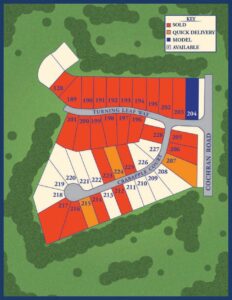
Turning Leaf: New Homes in Hamilton Township’s Little Miami School District
Josh Blatt
• 14 min read
Is a Smart Home Worth It? What Comes Standard in a New John Henry Home
Josh Blatt
• 7 min read
New Construction Homes in Colerain Township: A Guide to Hunters Ridge
Josh Blatt
• 4 min readRelated Articles

9 Advantages of Choosing a Local Cincinnati Home Builder
First-Time Homebuyer in Cincinnati: Grants & Next Steps
Tour New Homes on Your Schedule: A Practical Guide
Want to know how to buy and sell a home effectively
Get exclusive access to the best homes on the market by signing up today.