


First-Time Homebuyer in Cincinnati: Grants & Next Steps

Kevin Clark
• 12 min read
The down payment feels like a wall. That’s the honest truth most buyers carry when they start looking at homes in Cincinnati for the first time. You see a listing you love, do the math, and suddenly you’re staring at a five-figure number you don’t have sitting in a savings account. It stops a lot of people cold.
If you’re a first-time homebuyer in Cincinnati, Ohio, here’s what most buyers don’t find out until later: Cincinnati and Ohio both run programs designed specifically to knock that wall down. We’re talking thousands of dollars in grants and forgivable loans that can cover your down payment, your closing costs, or both. Most first-timers never hear about these programs until after they’ve already struggled through the process the hard way.
New construction communities like Hunters Ridge by John Henry Homes start in the mid-$300Ks, which puts a quality new build within reach for buyers who thought they were years away. Pair that with the Cincinnati homebuyer assistance programs below, and the math starts to look very different. This is your practical roadmap: here are the programs, here’s who qualifies, and here’s exactly what to do next.
Cincinnati First-Time Homebuyer Grants and Assistance Programs
Several programs are available to Cincinnati-area buyers right now, and they stack from different sources. Knowing which level each one comes from helps you figure out which ones apply to your situation.
State-level help through OHFA
The Ohio Housing Finance Agency runs the most widely used first-time homebuyer programs in the state. The flagship is OHFA YourChoice! Down Payment Assistance, which gives you either 2.5% or 5% of your purchase price to cover your down payment and closing costs. Stay in the home for seven years, and the entire amount is forgiven. Recent graduates can access the same structure through Grants for Grads, with forgiveness kicking in after five years instead of seven.
If you’re a veteran, teacher, nurse, or other healthcare worker, the Ohio Heroes program adds a 0.25% interest rate discount on top of any other assistance you qualify for. That’s not a grant, but it compounds into real savings over a 30-year loan. To qualify for OHFA programs, you’ll need a minimum 640 credit score for conventional, USDA, or VA loans, and 650 for FHA. In Hamilton County, income limits for non-target areas run up to $109,900 for one or two people and $126,385 for households of three or more, so many Cincinnati buyers qualify without realizing it.
Cincinnati-specific assistance: ADDI and The Port
If you’re buying within Cincinnati city limits, the American Dream Downpayment Initiative (ADDI) offers up to $14,000 in assistance for buyers at or below 80% of the Area Median Income. It comes as a deferred loan that forgives 20% per year over five years, so as long as you stay in the home, you owe nothing back. Contact the City of Cincinnati’s community development office at 513-591-6000 to get the current participating lender list.
The Port’s Communities First program covers a broader geographic area across Ohio and deserves a look. It offers a 2% to 5% grant toward down payment and closing costs, with a minimum 620 FICO score and 80 participating lenders statewide. Unlike ADDI, this one requires full repayment if you sell or refinance, so read the terms carefully with your lender before committing.
FHLB and bank programs to consider
The FHLB Cincinnati Welcome Home grant historically offered up to $20,000 for income-eligible buyers, with $15,000 specifically for veterans. The 2026 program opened in April and has already closed out its funding for the year. Check back with a participating lender ahead of the next cycle, since funds go fast on a first-come, first-served basis. You can contact FHLB Cincinnati directly at 888-345-2246 to ask about future availability. For details on program structure and eligibility, see the FHLB Cincinnati Welcome Home program.
Fifth Third Bank offers a straightforward $3,600 grant with no repayment required, available through participating lenders. It won’t cover a full down payment on its own, but it pairs well with OHFA assistance and can take a real bite out of your closing costs.
How the “First-Time Buyer” Definition Actually Works in Ohio
Many buyers talk themselves out of applying because they owned a home years ago, or because their spouse did. The definition is more forgiving than most people assume.
The 3-year ownership rule and who it affects
OHFA, ADDI, and the FHLB Welcome Home program all follow the HUD standard: you qualify as a first-time buyer if you haven’t held an ownership interest in a primary residence within the last three years. That clock resets, which means prior homeowners who sold a few years back are often eligible again. One nuance to keep in mind: a dower interest, meaning you were on a deed even if not on the mortgage, still counts as an ownership interest under this rule.
Exceptions that open the door wider
Two major exceptions can qualify you even if the three-year clock hasn’t run out. First, if the property you’re buying sits in an OHFA-designated target area, your prior ownership history is waived entirely. Several Cincinnati neighborhoods carry this designation, including Bond Hill, Northside, South Fairmount, and Evanston, though the full list is based on census tracts rather than just neighborhood names. Use the OHFA geodata lookup at ohiohome.org/Geodata to check any specific address.
Second, honorably discharged veterans qualify as first-time buyers regardless of ownership history, across every major Ohio and Cincinnati program. The FHLB Welcome Home program goes a step further, allowing repeat buyers of any background to apply, an unusual feature among assistance programs if you’ve owned before.
Documents to Gather and Deal-Breakers to Address Before You Apply
Getting organized before you contact a lender or housing counselor saves weeks of back-and-forth. Every program asks for essentially the same documentation stack, so assembling it once covers you across multiple applications.
The paperwork every program expects
Plan to provide your two most recent years of tax returns with all W-2s and 1099s attached, three recent pay stubs, one month of bank statements, a valid photo ID, and current award letters for any public assistance you receive. Self-employed buyers also need a year-to-date profit and loss statement. Pull these together now rather than scrambling after you’re already in contract, documentation delays are one of the most common reasons closings get pushed back.
Credit red flags to resolve before you apply
A few issues will stop an application cold. Bankruptcies require at least two years of re-established credit with no late payments. Non-medical collections over $1,000 are a hard disqualifier for many programs. Unpaid judgments must be fully satisfied before closing. Most programs also want to see at least six months at your current job and two years of continuous employment history overall. The reassuring part is that most of these are fixable with a few months of intentional credit work, and a HUD-approved housing counselor can help you map out exactly what needs to happen.
Navigating Cincinnati Neighborhoods, School Districts, and Property Taxes
The program you qualify for only matters as much as the home and community you land in. Cincinnati’s geography has real variation, and understanding it upfront helps you make a smarter long-term decision.
Why school district boundaries affect more than just families
Even buyers without children should factor school districts into their decision. Homes in well-regarded districts like Lakota, Little Miami, and Northwest Local tend to hold value more consistently and attract stronger resale demand over time. Lakota earned a 4.5 out of 5 stars on Ohio’s most recent State Report Card, placing it in the top quarter of Ohio districts, and serves West Chester and Liberty townships in Butler County. New construction communities like Hunters Ridge from John Henry Homes sit within sought-after district boundaries, which is part of what makes them a smart long-term buy for first-timers, not just a starter home. For more on choosing between builders and what you might miss with national companies, see Local vs. national homebuilders.
What first-timers should know about Hamilton County property taxes
Ohio property taxes are based on assessed value, set at 35% of market value, with millage rates that vary by township. Hamilton County’s effective rate runs around 1.44%, though Colerain Township currently offers a 10-year Community Reinvestment Area (CRA) abatement for new construction with a 50% exemption on the added value, which can meaningfully reduce your bill during those first years. Buyers in Liberty Township and Hamilton Township should ask their lender to confirm the current levy rates for those specific areas. Before you commit to a price range, ask your lender to run a fully loaded PITI estimate, taxes can shift your monthly payment by a noticeable amount depending on where you buy.
First-Time Homebuyer Cincinnati Ohio: Your Step-by-Step Action Plan
Knowing the programs is step one. Getting them in the right sequence is what actually gets you to the closing table.
Steps 1 through 3: education, lender search, and preapproval
Start with a First Time Home Buyer Guide that points you to a HUD-approved homebuyer education course. Every major Ohio and Cincinnati program requires it, it takes about one day, and completing it early means you won’t hold up your application later. Next, find an OHFA-approved lender using the OHFA-approved lender directory or by calling 888-362-6432. Look specifically for a lender experienced with stacking programs, since combining OHFA assistance with ADDI or another grant is entirely possible and can dramatically reduce your out-of-pocket costs. For ADDI, call the City of Cincinnati’s community development office at 513-591-6000 to get the current participating lender list, since not every lender handles city-level programs.
Get preapproved before you tour a single home. Preapproval tells you exactly what price range to target, shows sellers you’re a serious buyer, and gives you a clearer picture of what your full PITI payment will look like before you fall in love with a floor plan.
Steps 4 through 6: touring, applying for assistance, and closing
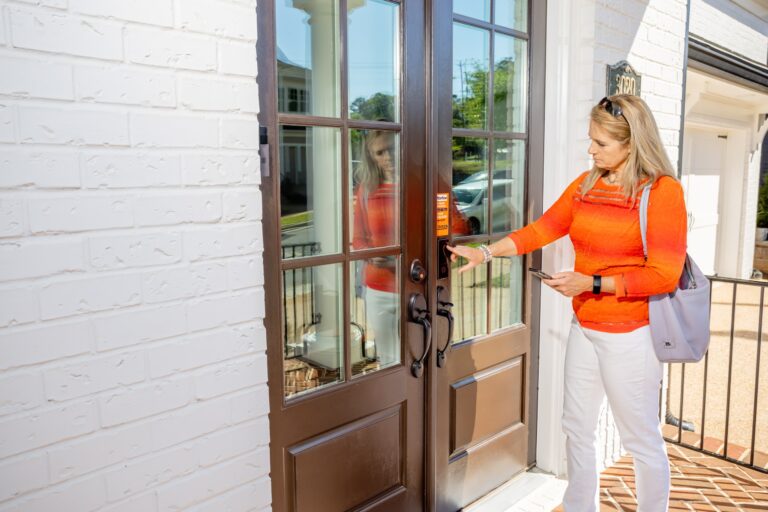
Once you’re preapproved, start your search with a clear budget that accounts for taxes and any HOA fees in the communities you’re considering. If new construction is on your list, John Henry Homes offers self-guided NterNow tours at Hunters Ridge, which lets you walk through move-in ready homes on your own schedule without any sales pressure. That kind of flexibility is genuinely useful when you’re still comparing floor plans and figuring out what you actually want in a home.
After you’re under contract, your lender handles the assistance applications and coordinates the closing timeline with all relevant programs. OHFA-backed closings can happen in as little as 21 days once your documentation is complete, and ADDI follows a similar timeline. Keep your document file current and respond to lender requests quickly, delays on the buyer side are the most common reason those timelines stretch out.
You’re Closer Than You Think
The programs are real, and the process is more manageable than it looks once you break it into steps, the money is waiting. Thousands of Cincinnati-area buyers have used OHFA, ADDI, and similar Cincinnati housing resources for buyers to close on homes they thought were out of reach, and the process works the same way for you. For an independent overview of statewide assistance options and what they typically provide, see this guide to Ohio first-time homebuyer assistance programs.
Your first move is simple: complete a HUD-approved homebuyer education course and connect with an OHFA-approved lender who knows how to stack assistance programs for Hamilton County buyers. Those two steps cost you nothing except a bit of time, and they set everything else in motion.
If you’re considering new construction, John Henry Homes’ Hunters Ridge community is a concrete starting point for first-time homebuyers in Cincinnati, Ohio who want quality craftsmanship without the guesswork of older inventory. Homes start in the mid-$300Ks, the school district positioning is strong, and the NterNow self-guided tour option means you can start exploring today on your own schedule, no appointment needed. Learn more about the appeal of New Homes in Cincinnati, then bring your preapproval and your assistance program research to the table. You’ll be surprised how close the finish line actually is.

9 Advantages of Choosing a Local Cincinnati Home Builder
Kevin Clark
• 10 min read
Turning Leaf: New Homes in Hamilton Township’s Little Miami School District
Josh Blatt
• 14 min read
Is a Smart Home Worth It? What Comes Standard in a New John Henry Home
Josh Blatt
• 7 min read
New Construction Homes in Colerain Township: A Guide to Hunters Ridge
Josh Blatt
• 4 min readRelated Articles

9 Advantages of Choosing a Local Cincinnati Home Builder

Buying a New Build Home for the First Time: Full Guide
Tour New Homes on Your Schedule: A Practical Guide
Want to know how to buy and sell a home effectively
Get exclusive access to the best homes on the market by signing up today.