

Tour New Homes on Your Schedule: A Practical Guide

Kevin Clark
• 12 min read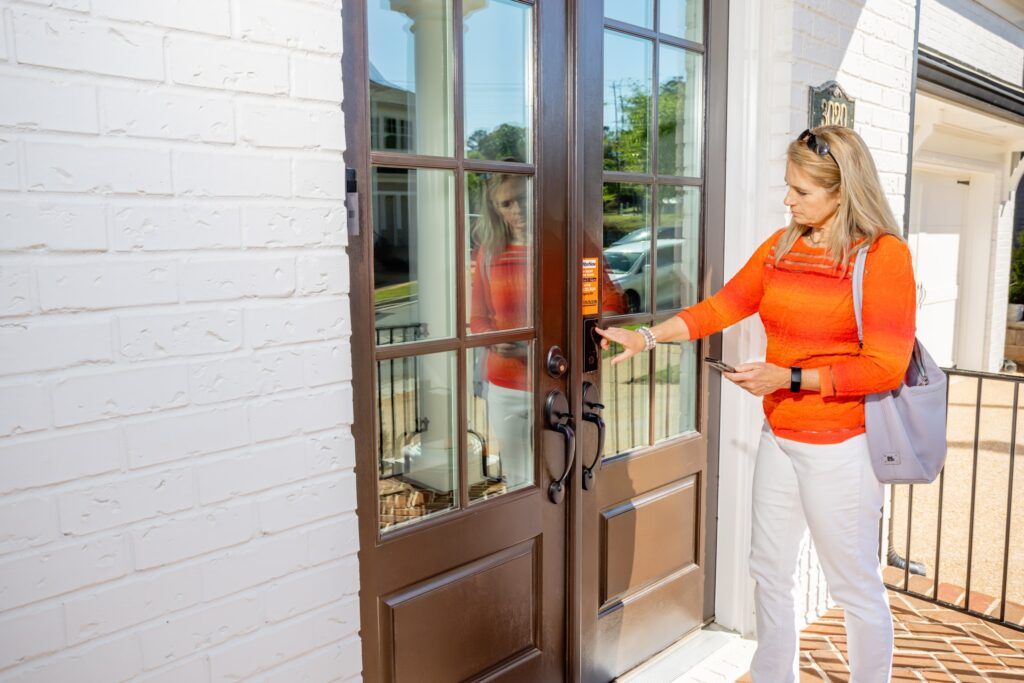
You find a floor plan you love on a Tuesday evening. The layout is right, the community fits your school district search, and the price works. Then you check availability for a showing, and the next open slot is Saturday at 2 PM. By then, the excitement has cooled, your weekend is already crowded, and that quick-delivery home may already have an offer on it. The good news: you can tour new homes on your schedule, even on a weeknight, using self-guided access. These tours let buyers walk through new construction homes on their own time, without coordinating anyone else’s calendar.
This guide walks you through everything: how to register, what to bring, what to look for room by room, and exactly what to do after you leave. Cincinnati-area builders, including John Henry Homes, have made this flexible access a practical reality across their communities through NterNow home tours: explore any new home on your schedule | John Henry Homes. The registration takes most buyers under five minutes, and the process is more straightforward than it might sound.
How to Tour New Homes on Your Schedule (How Self-Guided Home Tours Work)
The core concept is straightforward. Instead of meeting a sales agent at a set time, buyers use a technology platform to unlock and explore a model home or quick-delivery home during a scheduled window, or even on demand. No key handoffs, no waiting rooms, no pressure to keep moving because the agent has another appointment after yours.
The technology behind the access
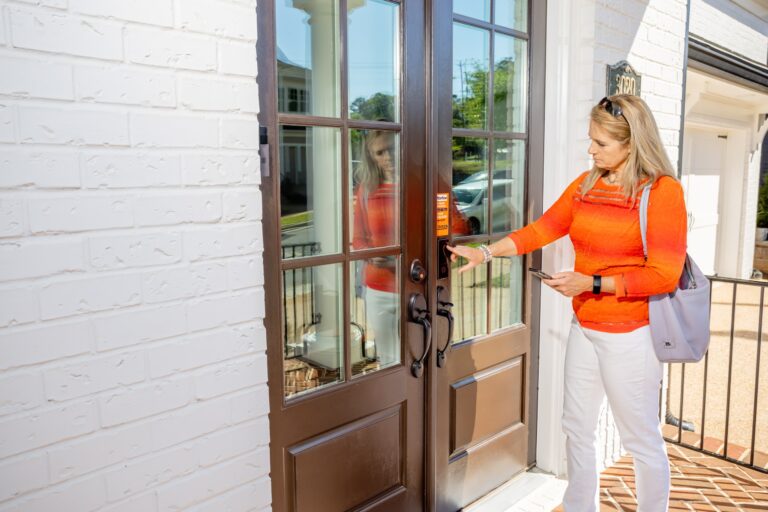
Platforms like NterNow make this work at a practical level through smart lock integration. A buyer visits the builder’s website, clicks a “Tour Now” button, and the system grants a time-limited, one-time access code delivered via the app or a text message. That code unlocks the smart lock on the front door and expires automatically once the tour window ends. The door relocks when you leave, connected systems like lights and HVAC reset, and the builder receives a real-time notification that the visit occurred. The system is designed to minimize the chance the home is left unsecured, time-limited codes, auto-locking, and real-time logging all work together to keep the property protected. Industry resources on smart-building self-guided tours provide useful context on how access and building systems can interact for a seamless experience.
Where buyers can tour new homes on your schedule in Greater Cincinnati
John Henry Homes has integrated NterNow across several Cincinnati-area communities, making it easy to tour new homes on your schedule without waiting for a weekend appointment. These self-guided tours are available for quick-delivery and model homes, not homes actively under construction. According to NterNow usage data, roughly 25% of self-guided tours happen outside standard business hours, which is precisely the point. A lunch break, an early evening after work, or a Sunday morning are all fair game.
Registration: How to Tour New Homes on Your Schedule
The sign-up process is designed to be quick, and the steps exist to protect both you and the property. According to NterNow, most buyers complete the verification flow in two minutes or less.
The identity verification process
The standard steps follow a clear sequence: create an account on the builder’s portal, scan or upload a government-issued ID, complete a short automated background check, verify your phone number via two-factor authentication, and receive your access code. NterNow may also require a live selfie to confirm the person presenting the ID matches the submitted photo. This biometric step is quick and exists to create accountability on both sides. No verified identity means no access code, full stop.
Fees, deposits, and booking limits
For builder-run communities, self-guided tours are free to book. Some third-party rental platforms, Rently, for example, charge a small fee, around $4.99 for a bundle of tours. For new construction communities like those offered by John Henry Homes, however, most builder-run self-guided tours carry no cost, though it’s always worth confirming on the builder’s site. No deposit is required just to tour. Book through the official builder website to avoid fake listings or third-party sites that ask for payment details upfront. Access can be revoked if ID verification fails or the home becomes unavailable, so the official channel is always the safest route.
How to prepare before you walk through the door
A self-guided tour gives you uninterrupted time in the home, and that time is only valuable if you show up prepared. The freedom of walking through without an agent is an advantage, but it also means no one is there to answer questions in the moment. Do your homework the night before.
Research to complete the night before
Review the floor plan on the builder’s website and note the square footage and room layouts. Write down specific questions about the finish package, HOA fees, and school district assignment. Check the community page for pricing and any available lot premiums. For John Henry Homes communities, quick-delivery homes often list included features online, so you can note what’s standard versus what’s an upgrade before you set foot inside.
What to bring on your visit
- A phone charged to at least 50% for app access and photos
- A small notepad or voice memo app for observations
- A tape measure to check furniture fit in key rooms
- A trusted friend or partner when possible, both for a second opinion and for safety
These basics keep you from scrambling once you’re inside and help you make the most of every minute in the home.
What to inspect during your self-guided walkthrough
Without an agent steering the conversation, you have full freedom to slow down and look carefully. Use that freedom. A methodical approach, starting outside and working inward, room by room, catches the most important details before you leave.
Exterior, foundation, and structural basics
Start at the exterior before you even open the door. Check that the grading slopes away from the foundation; soil piled against the siding is one of the most common red flags in new construction and can cause water intrusion over time. Look at the gutters and downspouts to confirm they’re properly installed and direct water away from the house. Inspect the siding and roofline for anything unfinished or damaged. At the front door, note whether it fits tightly, seals cleanly, and locks smoothly. These small details reflect the overall quality of the build. For additional examples of common inspection red flags to watch for, see this guide on home inspection red flags.
Room-by-room self-tour checklist
Move through each room methodically. In living areas, check that walls are plumb, floors don’t squeak or sag, and windows seal without drafts. Look for drywall cracks in corners or along ceiling lines, and check that baseboards sit flush against the wall without gaps. In the kitchen, open every cabinet door, run both hot and cold water, and check under the sink for any moisture around the supply lines. Confirm GFCI outlets are present near water sources, their absence is a code issue.
In bathrooms, flush every toilet and run the shower. Look for unsealed grout lines or caulk gaps around the tub and at the base of the toilet. Water stains on ceilings directly below a bathroom on an upper floor are a serious warning sign. Test every light switch and outlet throughout the home. At the electrical panel, verify breakers are labeled and there are no exposed wires or double-tapped breakers.
Run the HVAC system and confirm airflow at every register matches the thermostat setting. Weak airflow or unusual noises when the system kicks on are worth flagging. Confirm smoke and CO detectors are installed on every level and inside bedrooms, consistent with standard residential building code requirements. Note anything unfinished or off on a punch list to discuss with the builder after your visit. If you want a concise list to follow during or after your walkthrough, the Zillow home inspection checklist is a helpful reference.
Staying safe during an unattended visit
Self-guided tours are designed with safety in mind for both the buyer and the builder, and the verification system creates a layer of accountability before you ever open the door. A few common-sense habits add another layer of protection.
Practical safety habits for buyers
Tour during daylight hours whenever possible. Let someone know the address and your estimated arrival and departure time before you head out. Stick to tours booked through the builder’s official website or a verified platform like NterNow; never respond to third-party listings that ask for payment or personal details upfront, as these are often scams. Once inside, locate the emergency exits and verify that smoke detectors are visible. Avoid sharing your one-time access code with anyone not registered for the tour. For an industry perspective on best practices for self-guided showings, see this guide to self-guided tours.
NterNow tracks your access window throughout the visit using activity monitoring and timed lock controls on the builder’s end. The verification process before entry exists precisely to create a safe, accountable experience for everyone involved. You’re not walking into an unknown situation; the system actively logs the visit from the moment you unlock the door.
What to do after your self-guided tour
Leaving without a follow-up plan is the most common mistake buyers make after a self-guided visit. The freedom of the experience means no sales agent is there to prompt next steps, so you need to create your own follow-up rhythm before the details fade.
Review your notes and compare properties
Within 24 hours, go through your photos, notes, and voice memos while the details are fresh. Score each home against your priorities: school district alignment, layout, finish quality, and lot size. If two homes are closely competing, schedule a second self-guided visit before making any decisions. A second look at a different time of day often surfaces details the first visit missed.
Connect with the builder and explore financing
Contact the builder directly with specific questions from the tour, whether about the punch list, available upgrades, or closing timeline. Ask what features are still adjustable versus fixed, what’s included in the base price, and what the HOA obligations look like. For quick-delivery homes at communities like those offered by John Henry Homes, closing timelines can often be shorter than a full custom build, so getting pre-approved for financing early keeps the process moving. A follow-up conversation with the builder’s team typically covers contract details, available incentives, and any remaining design selections. The self-guided tour is the starting point; the conversation that follows is where the real decisions get made.
The next step is just one booking away
Buying a new construction home no longer requires fitting into someone else’s schedule. When you tour new homes on your schedule, whether that means a quick look during a lunch break or a detailed evening walkthrough with your partner, you stay in control of the process from the first visit forward.
To recap: register through the builder’s official site, arrive prepared with a checklist and a charged phone, work through the home methodically from exterior to mechanical systems, and leave with clear notes and a follow-up plan. Treat the visit as the beginning of your decision process, not the end of it.
For buyers in the Greater Cincinnati and Northern Kentucky area, John Henry Homes offers a practical starting point. Their NterNow-enabled homes across several Cincinnati-area communities make it easy to tour new homes on your schedule, without pressure, without waiting, and without rearranging your week. Visit their Self-Guided Home Tours | John Henry Homes, book access, and walk through the front door on your terms. You can also read more about New Self-Guided Home Tours with John Henry Homes for additional details on how John Henry runs their program.

9 Advantages of Choosing a Local Cincinnati Home Builder
Kevin Clark
• 10 min read
Turning Leaf: New Homes in Hamilton Township’s Little Miami School District
Josh Blatt
• 14 min read
Is a Smart Home Worth It? What Comes Standard in a New John Henry Home
Josh Blatt
• 7 min read
New Construction Homes in Colerain Township: A Guide to Hunters Ridge
Josh Blatt
• 4 min readRelated Articles

9 Advantages of Choosing a Local Cincinnati Home Builder

First-Time Homebuyer in Cincinnati: Grants & Next Steps

Buying a New Build Home for the First Time: Full Guide
Want to know how to buy and sell a home effectively
Get exclusive access to the best homes on the market by signing up today.