


New Construction Homes Cincinnati: 5 Key Benefits

Kevin Clark
• 9 min read
New construction homes in Cincinnati can lower your monthly energy bills from day one because they begin with tighter building envelopes, modern HVAC systems, efficient water heaters, and LED lighting.
What you need to know
Bring a short checklist when you tour new builds so you can compare energy performance, floorplans, warranties, and incentives side by side. The bullets below summarize the practical items to verify as you shop new construction homes in Cincinnati.
- Real energy savings. New homes reduce utility bills through tighter envelopes, improved insulation, sealed ductwork, and efficient mechanicals. Ask for a HERS index or energy score so you can compare expected performance between homes.
- Modern, flexible floorplans. Prioritize open kitchens, flex rooms, or first-floor bedrooms to ensure the home adapts as your needs change. Consider how circulation and storage will work for daily life, not just for staged photos.
- Warranty protection and lower maintenance. Confirm the builder’s multi-year warranty tiers and the exact scope of coverage so you know which repairs are the builder’s responsibility after closing. Ask whether warranties are transferable and what the claim process looks like.
- Financing, incentives, and true price comparisons. Compare builder incentives, lender requirements, and upgrade allowances so you can calculate the net move-in cost. Request itemized allowances and run multiple pre-approvals to compare actual monthly payments.
Energy efficiency and long-term savings
New homes use less energy because they start with a tighter building envelope and systems designed for efficiency. Contemporary framing, higher-performance insulation, sealed ductwork, efficient water heaters, and LED lighting reduce standby losses and wasted heat. When you review listings or tour models, ask for the home’s HERS index or energy score; that single number helps translate construction quality into estimated monthly savings versus an older house. For additional background on HERS trends, see the RESNET 2024 HERS trends report. You can also read about specific local energy-efficiency features in our energy-efficient homes in Cincinnati.
Expect several standard efficiency features in Cincinnati new homes: high-performance windows, upgraded insulation, ENERGY STAR appliances, programmable thermostats, sealed ductwork, and efficient HVAC systems. These elements lower utility bills and reduce wear on mechanical equipment by limiting air infiltration and avoiding short cycling. Some builders include smart thermostats or efficiency packages as standard; others offer them as upgrades you should budget for.
Modern design and flexible floorplans
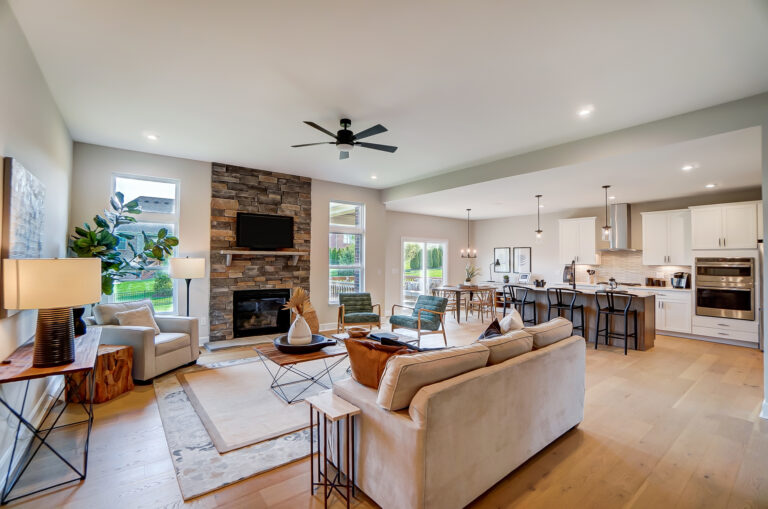
Open kitchens, flexible rooms, and first-floor bedrooms or home offices change how you use a house every day. Open kitchens keep family and guests connected while you cook, and versatile rooms convert to playrooms, gyms, or studies as needs shift. Contemporary plans also prioritize circulation and storage so busy households move from school drop-off to dinner without feeling cramped.
Smart Homes in Cincinnati & NKY include pre-wiring, a dedicated hub location, and often factory-installed smart locks, thermostats, or security panels so you avoid retrofitting later. Built-in wiring preserves wall surfaces and the clean look of finished rooms. Ask for a written list of what’s included versus field-added so you can compare packages accurately.
Finish packages bundle cabinetry, flooring, paint, and appliances into clear tiers that shorten your time to move. Prioritize durable surfaces in high-use areas such as kitchens, entryways, and mudrooms to cut maintenance and long-term replacement costs. As you review floorplans, keep lot selection and neighborhood amenities in mind since both affect daily life and resale value.
Warranties and lower maintenance burden
When you buy a new home in Cincinnati, expect a multi-tier warranty that covers different issues over different timelines. Typical coverage includes one-year workmanship items, two-year coverage for mechanical systems like HVAC and plumbing, and a longer structural warranty that often lasts around 10 years. Ask for the full warranty packet in writing and confirm whether coverage is transferable when you sell the home.
Warranties shift common repairs to the builder and reduce out-of-pocket expenses and stress during the first years of ownership. A cracked drywall seam or a failed refrigerator in year one is usually handled under the workmanship or systems portion of the warranty. Documented warranty repairs also make resale smoother since buyers and agents see fewer unknowns when a history of prompt fixes exists.
Before you sign or close, review durations and exclusions for each warranty tier, the builder’s response-time commitments and emergency procedures, the claim process and required documentation, and whether coverage is transferable or carries fees. A careful final walkthrough and a clear punch list will minimize the number of claims you’ll need in the first year and keep ownership smooth.
Move-in ready options and faster timelines
Inventory or spec homes are finished or nearly finished houses the builder completes for quick delivery. These homes offer speed and predictability because design and finishes are set, which shortens closing timelines compared with a to-be-built purchase. A to-be-built home gives more customization but typically takes longer depending on selections.
Typical closings for a spec or inventory home run between 30 and 90 days depending on lender timing and title work, while a custom build commonly takes several months longer. Common causes of delay include lender underwriting, title or survey complications, homeowners association onboarding, and late personalization requests that require change orders. Plan with these potential hold-ups in mind when you set target move dates.
To speed things up, lock your financing early and get preapproved before you tour homes. Have identification, pay stubs, and tax documents ready for the lender, and order a title search promptly. Choose designer finish packages when possible to avoid custom-change delays that add weeks to the schedule. You can also browse move-in-ready listings on Zillow to see current spec and inventory homes in the Cincinnati area.
John Henry Homes maintains a rotating quick-delivery inventory across Greater Cincinnati, with active communities including Trailside Village in Green Township and homes in the 45233 area like Reserve at Deer Run, and Trailside Estates arriving in Miami Township. We offer designer finish packages and NterNow self-guided tours so you can visit move-in ready homes on your schedule. Call or book online to check current availability and estimated move-in dates for homes that match your timeline.
Financing, incentives and real price comparisons
Builders use predictable incentives to move inventory: common options include builder flex cash, special low-rate offers or stepped-rate programs, and down-payment assistance such as local Welcome Home grants. Most incentives vary by community and often require using the builder’s lender before the credit applies, so confirm any lender strings before assuming a discount.
How prices look across neighborhoods depends on community and lot choice. When shopping new construction homes in Cincinnati you may see median new-listing ranges around $275,000 to $285,000 with starting offers near $248,800, while neighborhoods with larger lots or premium schools command higher prices. The gap between a base price and your finished home often adds tens of thousands for upgraded kitchens, larger lots, window packages, and exterior landscaping. For a broader view of local market conditions, consult this Cincinnati housing market update for homebuyers.
Use a simple math check to compare offers across builders and lenders. Net price = base price + chosen upgrades, incentive credits. Confirm incentive expiration dates and get two loan pre-approvals so you can compare actual monthly payments and total financing costs between the builder’s lender and an independent lender.
Make a short worksheet that lists base price, allowance line items, chosen upgrades, and incentive credits to see the true move-in cost. Ask the sales representative for an itemized allowance so your worksheet matches the contract, and run both pre-approvals against that number. Then schedule finish-selection tours so you can see those upgrades in person before you commit.
Where to find new construction homes in Cincinnati and the next steps
Choose communities by how you live and how you commute. Green Township offers family-friendly lots, parks, and on-site amenities, while Blue Ash and Montgomery put you closer to major employers for a shorter commute. Milford and Loveland offer larger yards and strong school districts for buyers prioritizing outdoor space and neighborhood stability.
Check practical site items such as lot slope, drainage, sun exposure, and privacy, and review HOA covenants, fees, and future maintenance plans. Also verify finish quality—trim, paint, flooring, and appliance brands—along with energy features, insulation levels, HVAC specs, warranty coverage, local utility connections, and the builder’s inventory list. For searchable community lists try Homes.com new homes in Cincinnati communities or browse current listings on Realtor.com’s Cincinnati listings.
Next steps: get pre-approved, shortlist two to three communities, and schedule a self-guided NterNow tour or an agent-led visit. For the best results, tour multiple communities, then book an appointment to see current quick move-in homes and review available incentives.
Why new construction homes in Cincinnati are a smart choice
New construction homes in Cincinnati deliver monthly and long-term advantages you notice right away: lower utility bills, modern flexible plans, smart-ready wiring, and warranty protection that reduces maintenance risk. Those features combine to make ownership more predictable and less time-consuming than buying an older house that needs immediate updates. Efficiency and finish standards also help preserve resale value when you decide to sell.
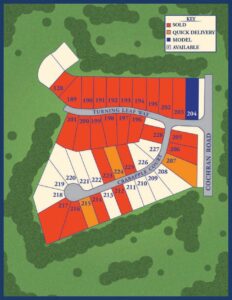
Turning Leaf: New Homes in Hamilton Township’s Little Miami School District
Josh Blatt
• 14 min read
Is a Smart Home Worth It? What Comes Standard in a New John Henry Home
Josh Blatt
• 7 min read
New Construction Homes in Colerain Township: A Guide to Hunters Ridge
Josh Blatt
• 4 min read
New Homes in Liberty Township: Why Families Choose Caravel and Lakota Schools
Josh Blatt
• 4 min readRelated Articles
First-Time Homebuyer in Cincinnati: Grants & Next Steps

Buying a New Build Home for the First Time: Full Guide
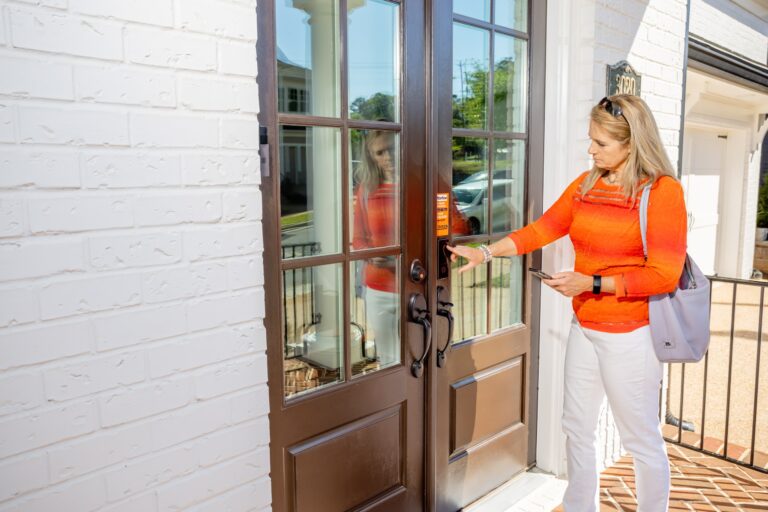
Tour New Homes on Your Schedule: A Practical Guide
Want to know how to buy and sell a home effectively
Get exclusive access to the best homes on the market by signing up today.