


Why Open Concept Kitchen Living Room Design Makes Homes Feel Twice as Big

Josh Blatt
• 11 min read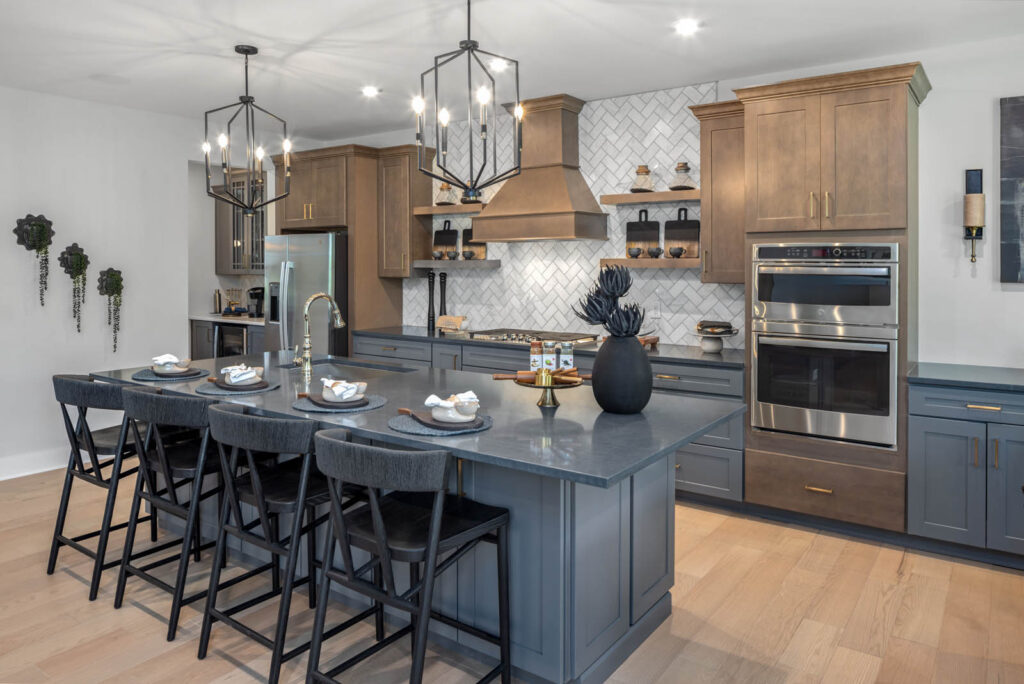
Open concept kitchen living room designs have become the top choice for homeowners. Research shows that 85% of people want their kitchen and dining areas to flow together. This design style does more than eliminate walls—it reshapes the scene of how we use and experience our spaces.
“A successful home design nowadays is all about accessibility and connectivity of space and people,” says Jennifer Carnevali, Toll Brothers Merchandising Project Lead. Open concept living creates a sense of spaciousness that makes modest homes look substantially larger. The design lets natural light flow freely throughout the home while making spaces appear bigger. Homeowners who welcome this approach can also boost their property value, as open floor plans can lead to 7% higher resale offers.
Open concept living goes beyond just looks. Studies show that 79% of people want their kitchen and family room to connect, and 70% prefer their dining and family rooms to flow together. This design approach creates expansive, bright spaces while keeping functional zones that families need daily. Knowledge of open concept spaces can enhance the living experience for anyone planning home renovations or new construction.
What is an open concept kitchen living room?
An open concept kitchen living room breaks down traditional barriers between cooking, dining, and living areas to create a single, unified space. This design removes walls and doors that used to separate functional areas in a home. Family members can now move freely between spaces where they cook, eat, socialize, and relax.
How open concept design evolved
The shift toward open concept living started in the mid-20th century with modernist architecture. Frank Lloyd Wright drew inspiration from Prairie-style architecture and its horizontal lines. He became one of the first to promote more open home designs. These layouts became popular in ranch and bungalow homes during the 1950s and 1960s because they made smaller spaces look bigger.
Open concept kitchens didn’t catch on with the mainstream until the 1990s and early 2000s. TV shows like Fixer Upper and Property Brothers played a crucial role. They showcased big connected spaces that highlighted the kitchen as a main living area.
Key features of open concept living
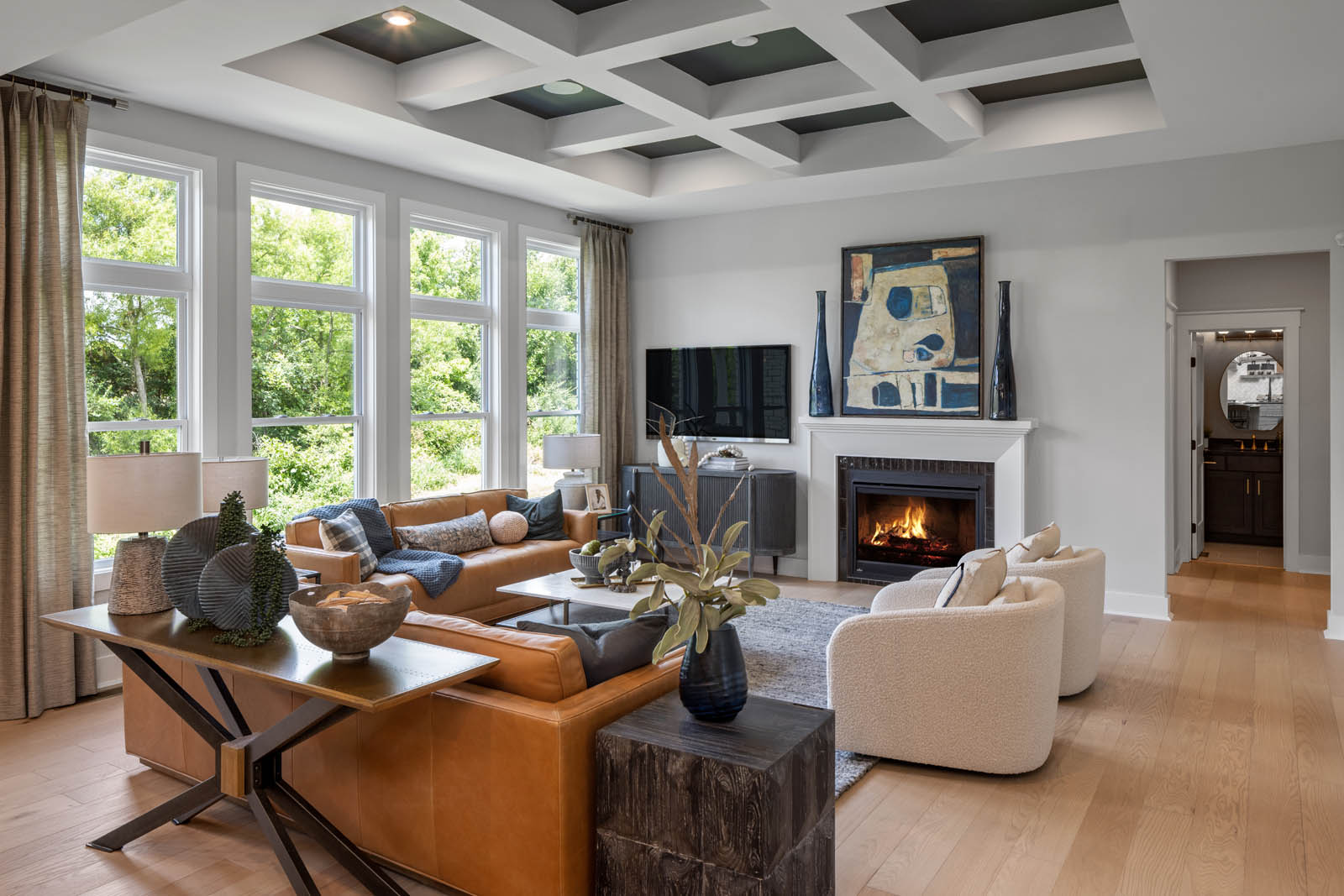
The main feature of open concept living lets kitchen, dining, and living spaces flow together without full walls between them. These designs use furniture arrangement, area rugs, lighting, and other visual cues to describe different functional areas instead of walls.
Open layouts let natural light spread throughout the home and create brighter, more inviting spaces. Many designs include large kitchen islands as centerpieces that help divide the space without blocking it off.
Why it’s popular in modern homes
Modern lifestyles have become more casual, which makes open concepts appeal to today’s families. About 20% of Americans live in multigenerational households now. They just need more flexible, adaptive spaces.
Parents love how these layouts let them cook meals while watching their kids play nearby. Since guests always end up in the kitchen during parties, open designs make hosting more fun and practical.
Open concept designs can make modest homes feel substantially more spacious without adding square footage. The combination of extra space, better natural light flow, and clear sightlines creates both beauty and function that modern homeowners love.
How open concept makes your home feel bigger
Open concept kitchen living rooms change how we see space around us. Small homes look much more spacious when walls come down. This design choice changes how we live in and experience our homes.
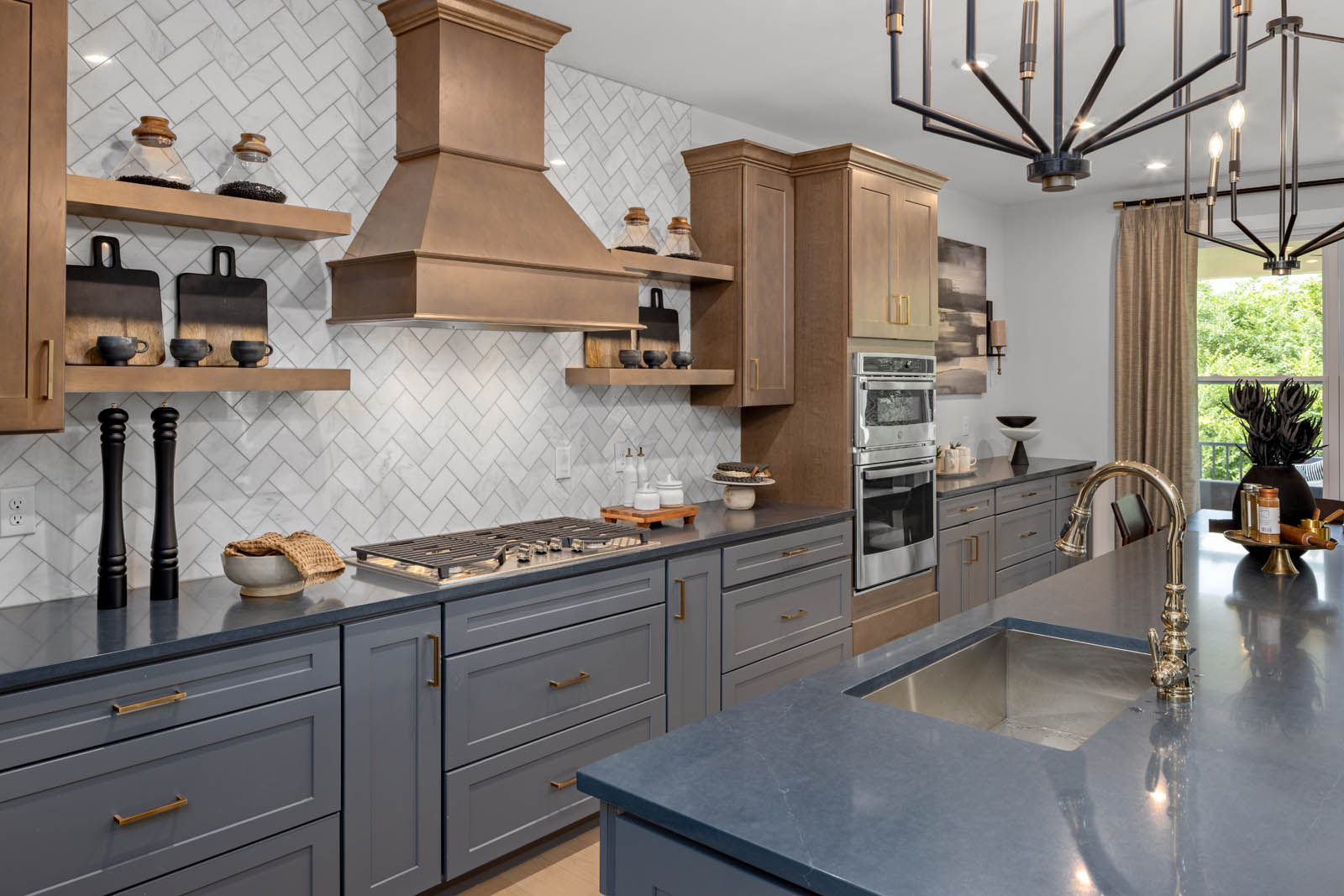
Aria model at Caravel photos
Visual continuity and fewer walls
Traditional barriers between cooking, dining, and living zones create a “boxed-in” feeling. An open layout creates one unified, continuous space that flows naturally from one area to another. The design creates visual continuity through consistent flooring and design elements throughout the shared space. The eye moves freely across the entire area, seeing it as one large space rather than several smaller ones.
Improved natural light flow
Natural light stands out as one of the most important benefits of open concept living [link_1]. Light moves freely and without obstacles from one space to another when interior walls are reduced. The design lets sunlight reach deeper into the home and improves overall brightness. Large windows, skylights, and glass doors flood interiors with sunlight in open layouts. Light bounces throughout the room from reflective surfaces like polished countertops and mirrored backsplashes.
Unobstructed sightlines across spaces
Clear views across different areas change how we see spatial dimensions. Open concept designs create longer sightlines that expand each home, whatever its actual size. You can see from one end of your living space to another without barriers, which creates an immediate sense of expansiveness. What you can see defines what you perceive – and open concepts maximize this visual range.
Psychological perception of space
Our perception of spaciousness goes beyond physical dimensions. Wall materials affect how we see room size, according to research. Linen walls create the greatest perception of spaciousness, while wood walls make rooms feel smaller. Room proportions, area, and openness ratio shape our spatial experience. Light colors make rooms appear taller, which works well with open layouts to create a more spacious feel.
Benefits beyond space: lifestyle and function
Open concept kitchen living rooms don’t just add visual space – they change how families live and connect in their homes. These well-planned spaces bring many lifestyle benefits that make daily life and special events better.
Better family interaction and supervision
Parents can keep an eye on their kids playing nearby while making meals in an open concept space. The design lets adults handle multiple tasks at once – they can cook dinner, watch over homework, and join family talks all at the same time. This setup gives parents peace of mind, especially when they have young children, without feeling boxed in or cut off.
Ideal for entertaining guests
Having friends and family over becomes much more fun with an open concept layout. The cook stays part of the party since there are no walls between the kitchen and social areas. One homeowner points out that this design eliminates the “bottleneck effect” you often see in traditional kitchens during gatherings. Round or oval dining tables make the space even more welcoming because everyone can see each other.
Flexible use of shared space
Open layouts adapt easily to different needs. These spaces work great for many activities at once – from family meals to home office setups. You can create distinct areas without losing the open feel by using modular furniture, expandable dining tables, and well-placed area rugs.
Improved accessibility and movement
The lack of doorways, thresholds, and narrow halls makes these spaces perfect for people with mobility challenges. Open concept design’s clear pathways work naturally well for wheelchair or walker users. Even people without mobility issues find everyday life more comfortable and convenient with easier movement throughout the space.
Design tips for open concept kitchen living room
Your open concept kitchen-living room needs smart design choices to work well. Traditional homes have clear room divisions, but open layouts need clever elements to keep spaces defined while maintaining good flow.
Using furniture to define zones
Smart furniture placement creates boundaries without walls. You can place your sofa with its back facing the dining area or add a sectional to mark out your living space. A console table behind your sofa adds height and creates borders while giving you practical surface space. Area rugs help anchor different functional areas and separate living spaces from dining or kitchen zones.
Coordinating color schemes and materials
A harmonious color palette works best throughout your space—one light color, one or two neutrals, and one or two supporting colors. You can vary how you use these colors in different zones. A soft sage green might appear on walls in one area and show up in furniture pieces in another. This creates distinct spaces while keeping the whole layout connected.
Managing acoustics and noise
Open layouts make sounds louder because they have fewer sound-absorbing surfaces. You can fix this by adding soft, porous materials such as upholstered furniture, area rugs, and fabric window treatments. Acoustic ceiling treatments, wall panels, or decorative screens that absorb sound are great ways to reduce noise even more.
Lighting strategies for open layouts
Different layers of lighting help define zones and support various activities. Kitchen islands or dining tables with pendant lights above them clearly mark different areas. Recessed lighting spreads light evenly throughout, and floor and table lamps let you adjust lighting as needed.
Storage solutions without walls
Your furniture can serve multiple purposes—kitchen islands with storage inside or window seats with storage compartments work well. Walk-in pantries give you plenty of storage while keeping clean sightlines. Built-in bookshelves, toe-kick drawers under cabinets, and hidden pull-out systems help you use every inch of space.
Conclusion
Open concept kitchen living rooms have reshaped modern home design and give families much more than just good looks. These well-planned spaces make the most of both visual appeal and practical use. Your modest home will feel more spacious with unobstructed views, better natural light, and visual flow that work together.
These layouts change how families use their homes. Parents can cook meals and watch their children at the same time. Your guests move around freely during parties without crowding the kitchen. People with mobility issues also benefit since there are no doorways or narrow halls to navigate.
Modern lifestyles have made open concepts very popular. Most Americans like this approach because it works well for casual living and adapts to different activities. Even without walls, you can create distinct areas through smart furniture placement, matching colors, good lighting, and clever storage solutions.
Open concept kitchen living rooms strike the perfect balance between space and function. Homeowners who accept these design ideas enjoy brighter, more connected spaces that adapt as needs change. Their property values might increase too. The principles of open design are a proven way to create welcoming, spacious homes that fit modern family life – whether you’re building new or renovating.
FAQs
Q1. What are the main advantages of an open concept kitchen living room? Open concept designs create a sense of spaciousness, improve natural light flow throughout the home, and allow for better interaction between family members in different areas. They’re also great for entertaining guests and provide more flexible use of shared space.
Q2. How can I manage noise in an open concept layout? To manage noise in an open concept space, incorporate soft materials like rugs and upholstered furniture to absorb sound. Use strategic furniture placement to create distinct zones, and consider adding acoustic panels or decorative screens. You can also install dimmer switches to create ambiance and reduce sensory overload.
Q3. Does an open concept design actually make a home feel bigger? Yes, open concept designs can make a home feel significantly larger. By removing walls, you create unobstructed sightlines across spaces, which extends the visual range and enhances the perception of space. The improved natural light flow and visual continuity also contribute to a more expansive feel.
Q4. How can I define separate areas in an open concept space? You can define separate areas in an open concept space by using area rugs, strategic furniture placement, and different lighting fixtures for each zone. Color schemes and decorative elements can also help visually separate spaces while maintaining an overall cohesive look.
Q5. Are there any drawbacks to open concept kitchen living rooms? While popular, open concept layouts do have some drawbacks. These can include increased noise levels throughout the space, less privacy between areas, and the need for more frequent cleaning as messes are more visible. Cooking odors may also spread more easily throughout the home, and there may be less wall space for artwork or storage.
Top Questions to Ask Your Custom Home Builder
Josh Blatt
• 11 min read
Understanding the Mortgage Process for New Homes
Josh Blatt
• 8 min read
Why New Homes in Cincinnati Are Perfect for First-Time Buyers in 2026
Josh Blatt
• 11 min read
How to Get a Cincinnati Home Construction Loan: A Banker’s Inside Guide
Josh Blatt
• 11 min readRelated Articles

Want to know how to buy and sell a home effectively
Get exclusive access to the best homes on the market by signing up today.